Understanding the Tides at Dog's Bay
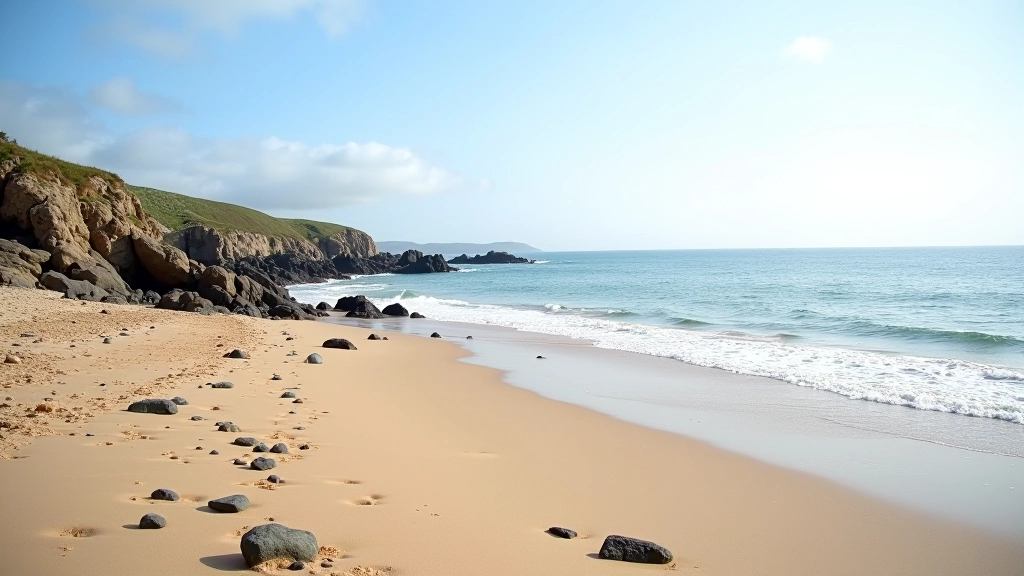
Dog's Bay isn't just one walk — it's really two different experiences depending on when you visit. At high tide, you've got a shorter, more intimate route along the upper beach. When the tide goes out, you're looking at a completely different landscape with wide sandy expanses and fascinating rock formations. That's what makes this place special.
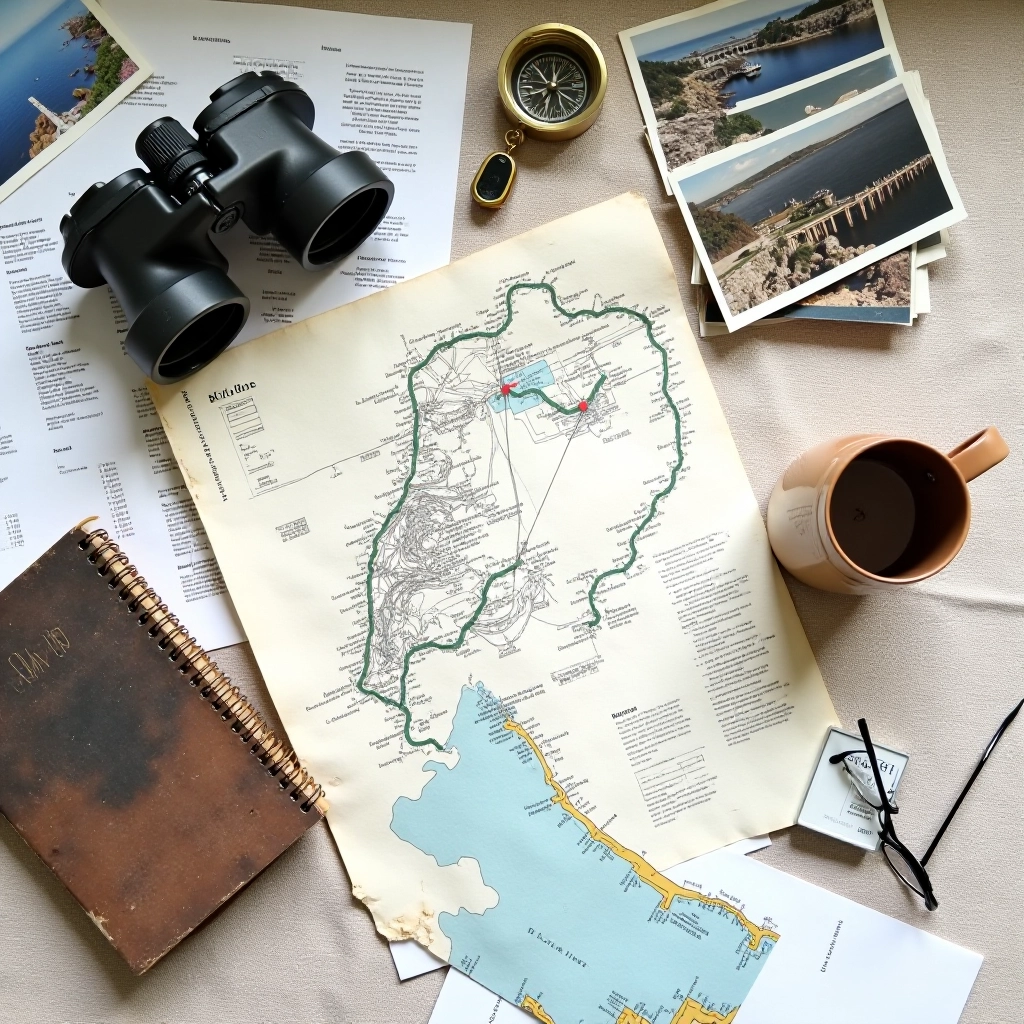
The beach stretches nearly two miles across when the tide's out fully. Most people don't realize they can access totally different sections based on the tidal cycle. We've mapped both routes so you'll know exactly what to expect, whether you're going at dawn or late afternoon.
Tide Times Matter
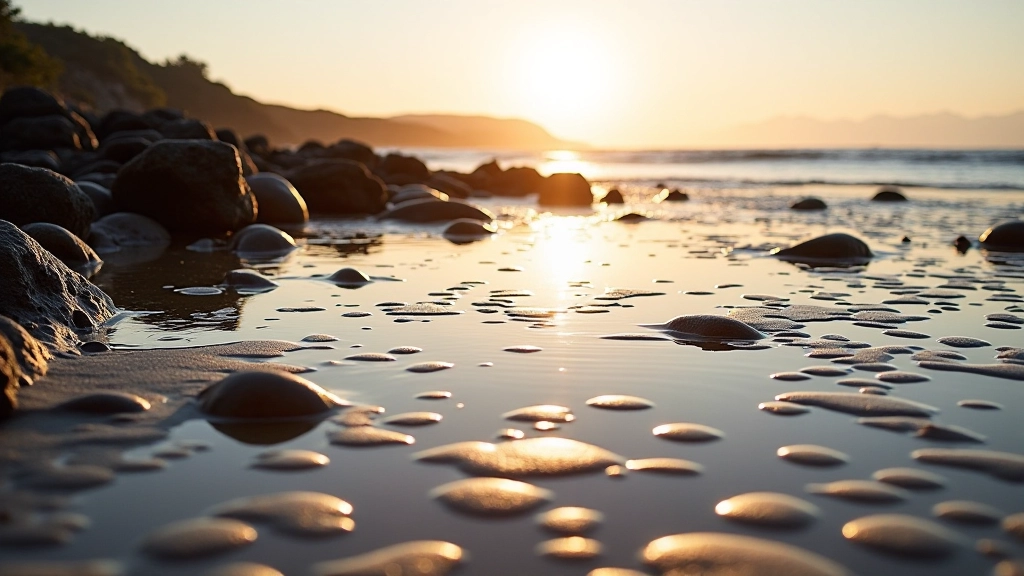
Check tide times before you go. Low tide typically occurs twice daily with roughly a 50-minute shift each day. Spring tides (around full and new moons) expose the most beach — sometimes 400 metres of extra sand.
The High Tide Route
When the tide's in, you're working with roughly 0.8 miles of accessible beach. This route runs between the car park and the northern rocky point. It's gentler, more sheltered, and perfect for anyone who prefers a shorter walk or isn't comfortable on exposed sand.
The upper beach has firmer sand here — you won't sink in like you might on looser sections. Three natural rest spots appear where small rocky outcrops create windbreaks. We've found this route works best between May and September when the weather's more stable. In winter, wave action can make the upper beach narrower.
Walking time: about 35-45 minutes at a comfortable pace. The surface is mostly smooth sand with occasional pebble patches near the rocks.

The Low Tide Exploration
This is where Dog's Bay transforms. When the tide recedes — and we mean really recedes — you're walking across sand flats that reveal natural channels, shallow pools, and rock gardens. It's almost like the beach is showing you secrets it hides the rest of the time.
The low tide walk extends to about 1.5 miles and takes 50-70 minutes depending on how much you stop to explore. The sand here is mixed — some sections are firm and perfect for walking, others are softer and slower. You'll see ripple patterns, bits of shell, and occasional small pools where sand eels shelter.
Spring tides (when the moon is full or new) expose the most. That's when you get access to sections normally underwater. We'd recommend visiting during spring tide if you want the full experience — it happens roughly every two weeks.
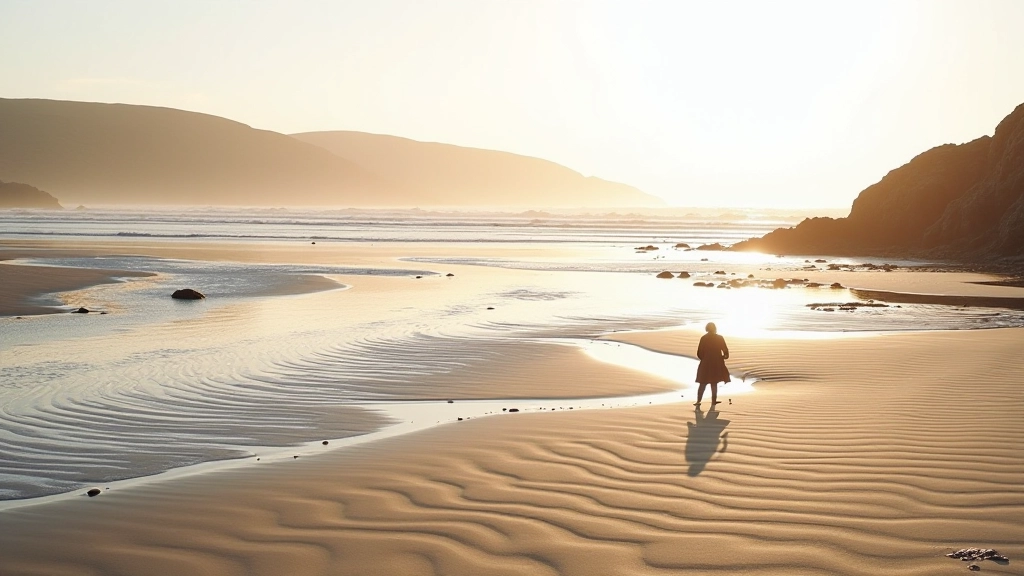
"The beach completely changes character between tides. It's not just about the distance you can walk — it's about what you discover along the way."
Parking & Facilities
There's a car park about 200 metres from the beach entrance — small, with maybe 15-20 spaces. It fills up during summer weekends, so arriving before 11am is wise if you're going mid-June through August.
The facilities are basic but functional. You'll find a single public toilet near the car park (open seasonally — check ahead in winter). There's no café or shop, so bring water and snacks. Rubbish bins are available, and we'd encourage you to pack out what you pack in.
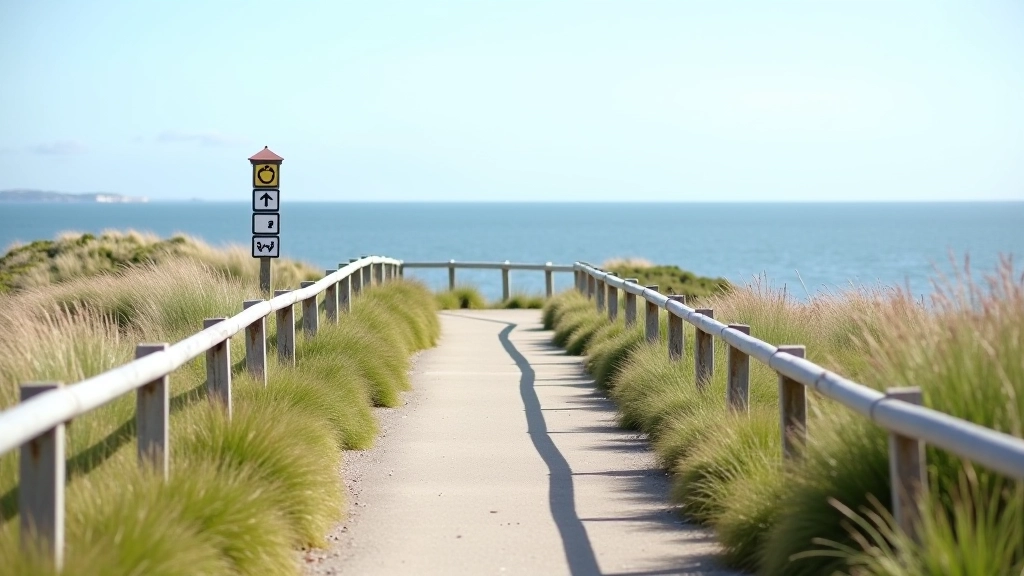
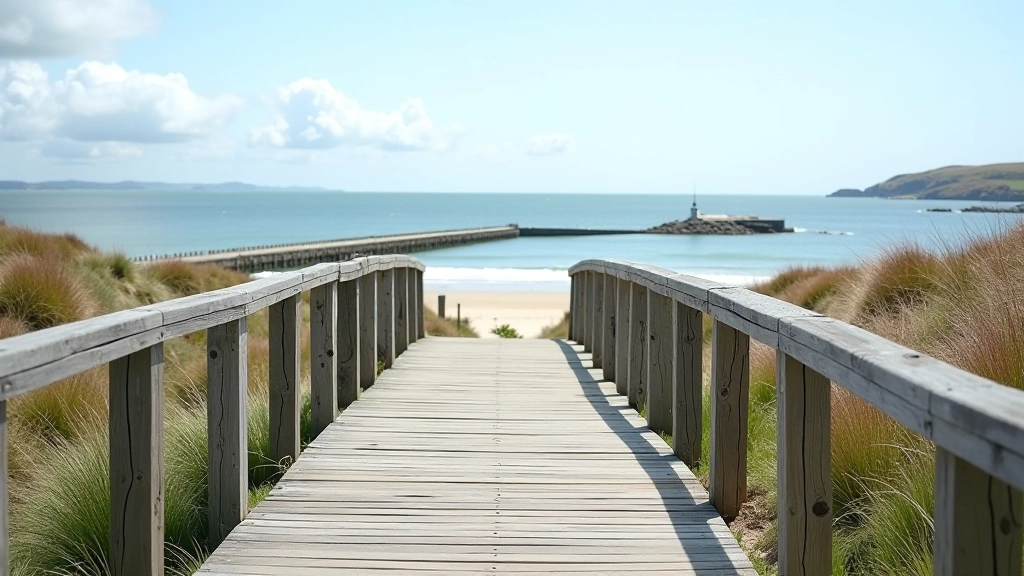
Beach access is straightforward — a wooden boardwalk runs from the car park to the sand. It's not steep, but it is uneven in places, so watch your footing if the ground's wet.
Planning Your Visit
Check the Tide Times
Look up tide times for Roundstone or Ballyconneely online. Low tide is roughly 50 minutes later each day, so you'll have a different experience depending when you visit.
Wear Appropriate Footwear
Trainers or walking shoes work fine on the upper beach. For low tide exploration, consider water shoes or trainers that can get wet — you might encounter shallow pools.
Bring Sun Protection
There's minimal shelter on the beach. Sunscreen, a hat, and sunglasses are essential, especially during summer months when UV is strongest.
Pack Water & Snacks
No facilities on the beach itself. Bring at least a litre of water per person and something to eat — the sea air builds appetite quickly.
Seasonal Patterns & What to Expect
Summer (May-August): Beach is at its busiest. Sand is firmer, water's marginally warmer, and you'll see more people. Early morning walks avoid crowds.
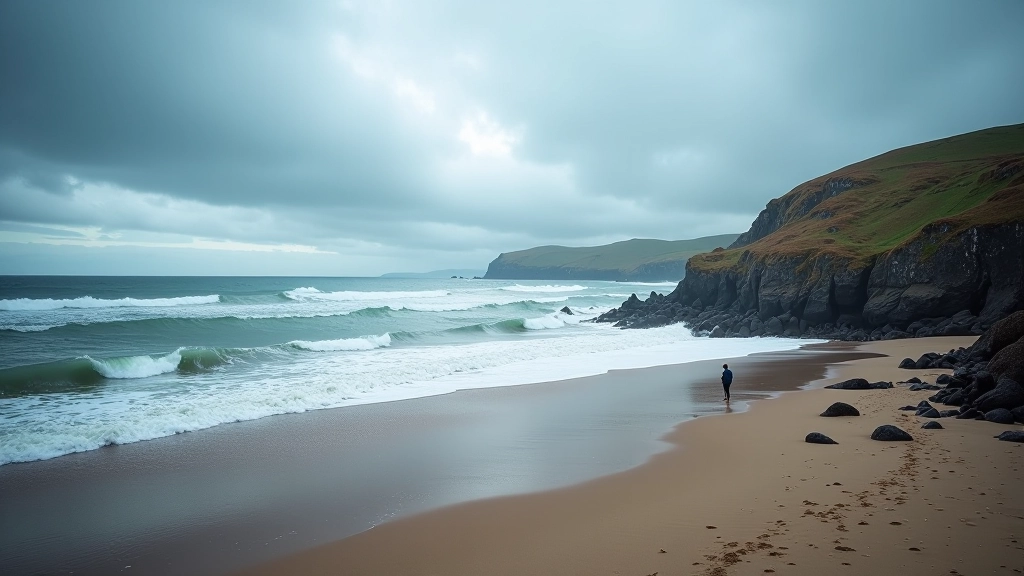
Autumn (September-October): Quieter, but weather becomes unpredictable. Storms can reshape sand patterns significantly. It's genuinely beautiful — fewer tourists, dramatic skies.
Winter (November-February): The beach is yours. Wave action is stronger, sand moves around more, and the upper beach becomes narrower. Weather's harder, but on calm days it's spectacular. Don't come expecting summer conditions.
Spring (March-April): Transitional season. Weather improves gradually. Sand's still active from winter storms, so expect different patterns than summer. Spring tides happen around the equinox — maximum exposure.
Final Thoughts
Dog's Bay is one of those places that rewards you for paying attention. It's not complicated, but it does change. You could walk it a hundred times and see something different each visit — that's the appeal of tidal beaches. The sand remembers the previous tides, and you're always walking a slightly different route.
Whether you've got 35 minutes for a high tide stroll or 70 minutes for a low tide exploration, this beach delivers. It's accessible, it's beautiful, and it's honest — no pretence, just good walking.