
Accessible Coastal Access: What You Need to Know
Everything you need for comfortable, barrier-free harbour walks along Galway's coastal paths — from parking to facilities to seasonal considerations.
Making Coastal Walks Work for Everyone
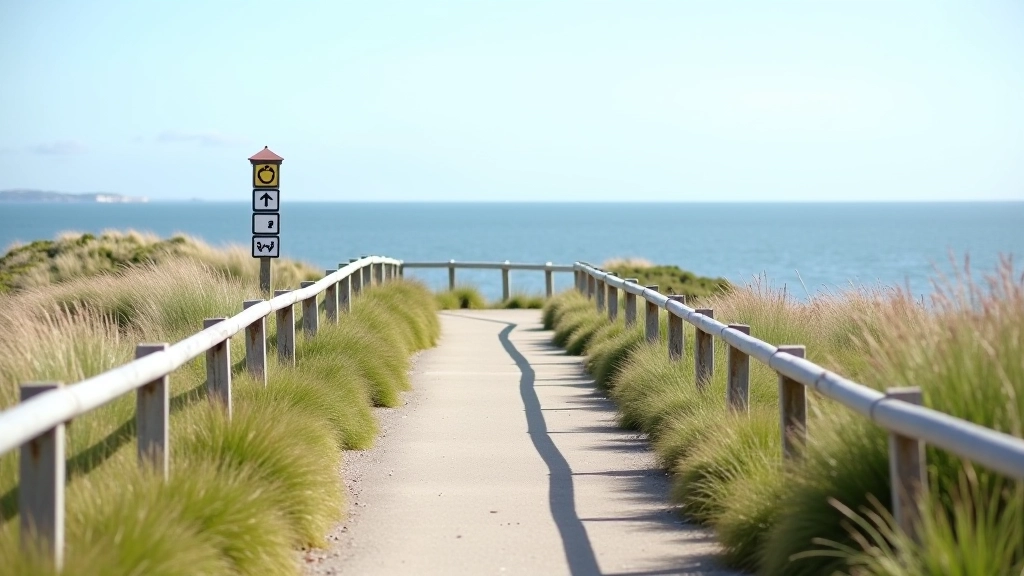
Walking along Galway's harbours and piers doesn't have to be complicated. Whether you're managing mobility challenges, visiting with elderly relatives, or simply prefer easier routes, there's genuine access to be had here. It's not perfect everywhere — some paths have steep sections, uneven surfaces, or limited facilities — but many stretches are genuinely accessible and worth exploring.
We've walked these routes and talked with people who use them regularly. This guide covers what actually works: where to park, what surfaces you'll find, where the benches are, how weather changes things, and what to bring. No fluff, just practical information you can actually use.
Free Parking
Most harbour areas have accessible parking within 50 metres of path entrances
Mixed Surfaces
Flat tarmac sections connect to gravel paths — choose your distance and comfort level
Rest Points
Benches positioned throughout, most with views of the water
Parking and Getting Started
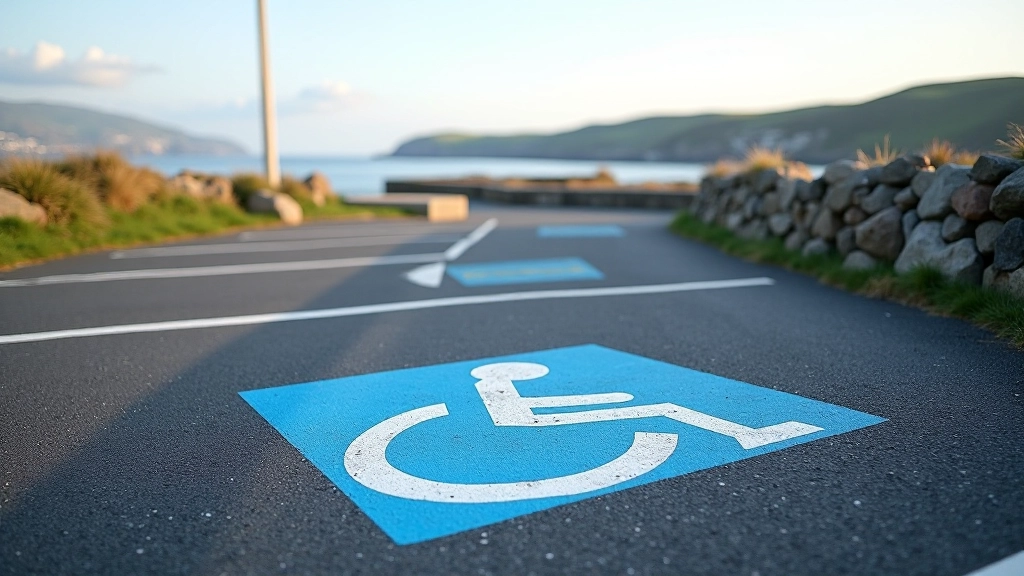
Most Galway harbour walks start from designated car parks. Roundstone Harbour has a main car park about 100 metres from the path entrance — flat, tarmac surface, two accessible spaces marked clearly. Dog's Bay has informal parking directly beside the beach access point, though it fills quickly in summer.
Here's what we've found: arrive early if you're visiting July or August. Morning walks are quieter and you'll get better parking. The paths don't charge admission — everything's free. Bring a small backpack with water and a light snack. Weather changes quickly here, so layers work better than one heavy coat.
Before You Head Out
- Check tide times if walking near the water's edge
- Wear non-slip footwear — some paths get wet even on dry days
- Bring water — benches are plentiful but shops aren't always nearby
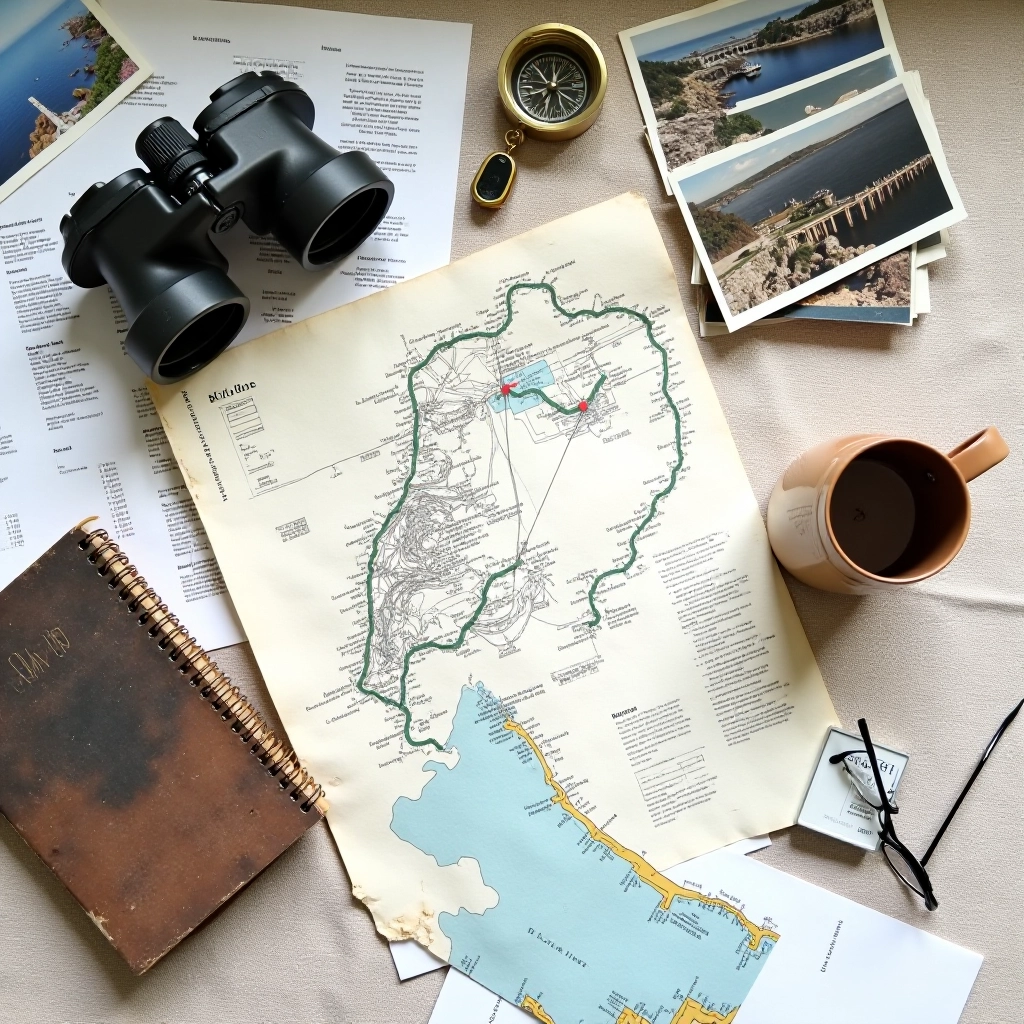
- Download a map or take a photo — signal can be spotty
- Tell someone where you're going if walking alone
Path Surfaces and What to Expect
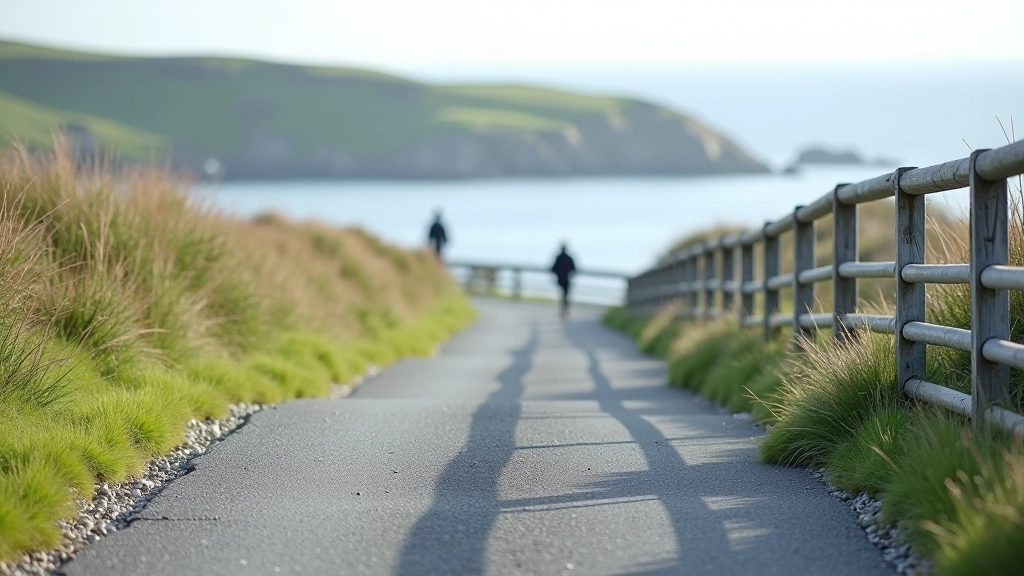
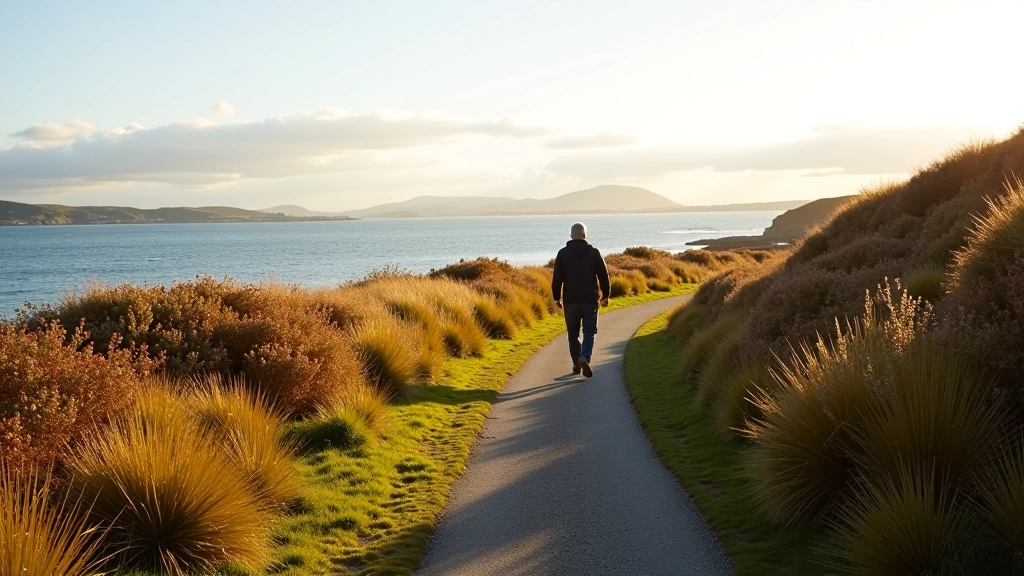
Galway's harbour paths aren't all the same. Some sections are well-maintained tarmac — smooth, reliable, fine for mobility aids. Other stretches are compacted gravel or packed earth. A few bits have uneven stone surfaces where repairs have been patchy.
The Roundstone loop is about 60% tarmac, 40% gravel. Dog's Bay has mixed surfaces depending on tide level — at low tide you can walk on sand, at high tide you're on the upper path which's mostly gravel with some stone steps. The Lobster Pot Heritage Route follows a working pier — it's fully tarmac but narrow in places.
Tarmac Sections
Wheelchair-friendly, pushchair-suitable, best in rain
Gravel Paths
Harder to navigate, may require walking poles for stability
Stone/Uneven
Challenging — best avoided if you have balance issues
Facilities: What's Available and What Isn't
Toilets
Roundstone has a public toilet block 150m from the car park. Dog's Bay toilets are seasonal — open May to September only. Neither has changing facilities. Lobster Pot route has no direct access to toilets on the pier itself.
Benches
Multiple rest points along each route. Roundstone has eight benches positioned every 300 metres. Most face the water. Some have back support, some don't. Spacing makes it realistic to walk at a comfortable pace without exhaustion.
Food & Drink
Small cafes near Roundstone car park — about 5 minutes' walk back. Dog's Bay has a restaurant with a view but it's 10 minutes away. Bring your own snacks to be safe.
Information
Signage exists but it's not comprehensive. Map boards at main entrances show the general route but not detailed gradient or surface info. Download maps in advance for peace of mind.
Seasonal Changes and Weather Considerations
Atlantic weather shapes everything here. Winter brings wind that's genuinely strong — walking becomes harder work. Spring opens up the paths nicely. Summer crowds peak in July and August. Autumn is often the best time — good light, fewer people, manageable temperatures.
Winter (November to February)
Wind is the main issue. Paths get muddy in places. Gravel sections become slippery. Morning walks in winter are quieter but you'll need waterproof gear. Wind protection matters more than you'd think — walking into a strong wind is genuinely tiring.
Spring & Summer (March to August)
Paths dry out and look their best. July and August bring tourists — early morning walks are recommended. Longer daylight means you've got more flexibility with timing. Tarmac sections stay in good condition.
Autumn (September to October)
Genuinely the sweet spot. Weather's often stable, crowds thin out, and the light's beautiful. Paths are still in good shape from summer maintenance. This's when you'll see locals walking most regularly.
Practical Tips That Actually Make a Difference
Walk at Your Own Pace
These routes don't have time pressure. You're not racing. If a 20-minute walk takes you an hour, that's perfectly fine. The benches exist for a reason — use them without guilt.
Test Shorter Sections First
Don't commit to a full loop on your first visit. Walk 10 minutes in, see how you feel, then decide whether to continue. Each route has natural stopping points where you can turn back easily.
Bring a Walking Pole if You Use One
The gravel sections especially benefit from poles. They give you stability on uneven ground and reduce joint stress. One pole is better than none if you only have one side to manage.
Wear Layers Even When It Looks Clear
Weather here changes fast. You'll feel wind differently on exposed sections. Layers let you adjust without carrying extra weight or needing to turn back.
Visit the Same Route Multiple Times
You'll notice different things each visit. Summer vs. autumn changes everything. Once you know a route, you can manage it better — you know where the hard bits are and can plan accordingly.
Take a Photo of Parking Location
Seriously. Take a picture of where you parked — the car, the surroundings, or a distinctive sign. It's easier than trying to remember "I was near a blue gate somewhere."
Getting Out There
Accessible doesn't mean perfect. These walks have real limitations in places. Some surfaces aren't ideal. Some facilities are missing. Weather here's unpredictable. But genuinely, there's good access to be had if you know what you're getting into. The views are worth it. The air's fresh. The pace is yours to set.
Start small if you need to. Pick a route that matches your comfort level. Go at a time that suits you. Bring what you need. And don't worry about keeping up with anyone else — you're there for you.
Important Information
This guide provides general information about coastal walking routes in Galway. Conditions change with weather, maintenance, and seasonal variations. Access information is accurate as of July 2026 but may change. We recommend checking locally for current facility status and any path closures. Always assess your own fitness and mobility needs before undertaking any walk. If you have specific accessibility requirements, contact local visitor information or councils directly for current detailed information.
Related Harbour Walks
Explore other accessible routes along Galway's coast
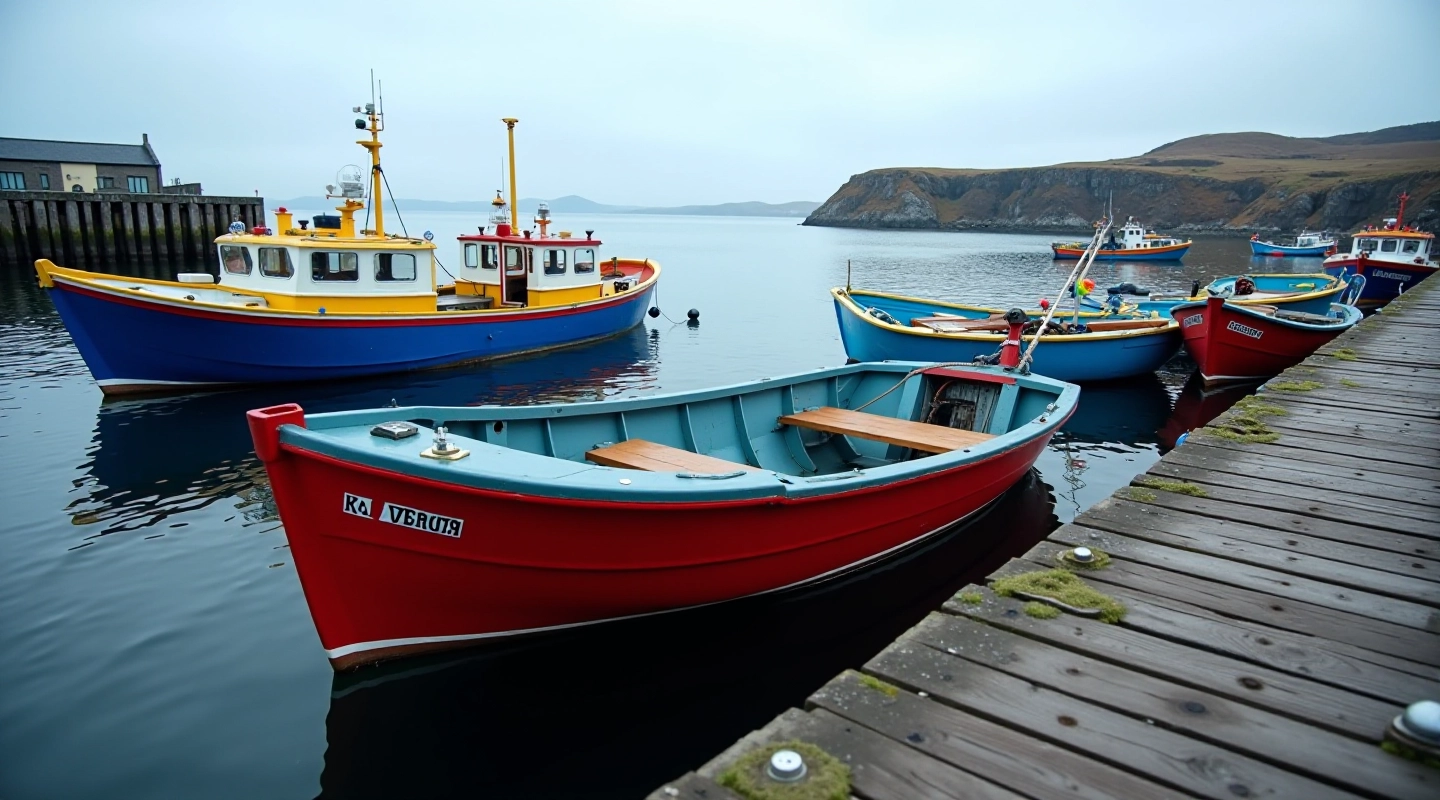
Walking Roundstone Harbour: A Gentle Loop
A flat 1.2-mile circuit around the working harbour. Rest benches at three points, tarmac surfaces most of the way, views of traditional fishing boats.
Read Guide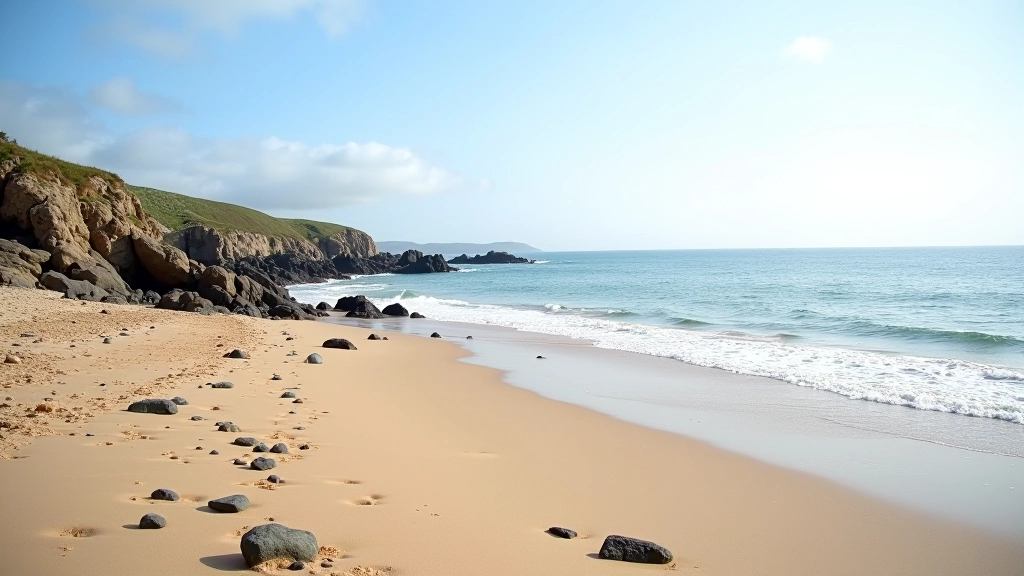
Dog's Bay Beach: Tidal Access Points
Two distinct walks depending on tide times. Includes parking info, seasonal facilities guide, and tips for managing beach and upper path options.
Read Guide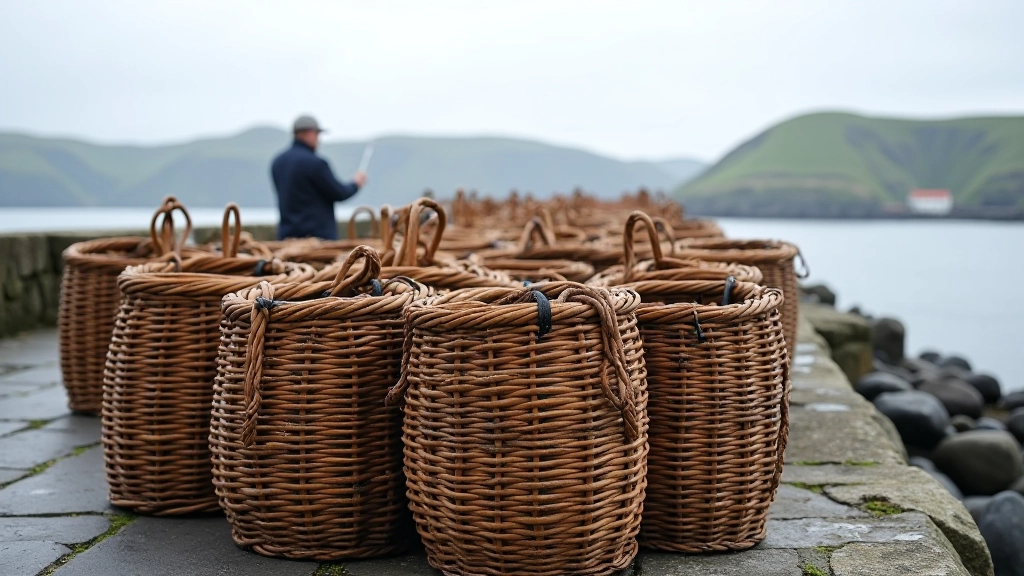
Pier-to-Pier: Lobster Pot Heritage Route
Connect three working piers on a 2.5-mile coastal path. Learn about traditional lobster fishing, harbour history, and working waterfront access.
Read Guide